Got Questions? I've Got Answers!
Planning a motorcycle trip to Thailand comes with plenty of excitement, and probably a few questions too. From bike details and packing tips to visas and accommodation, I've covered everything you need to know before you hit the road. Have a look below, and if something's still on your mind, just reach out. I'd rather answer it now than have you wonder about it right up until departure.
Everything You Need To Know
What areas will we explore?
We start in Chiang Mai, our base and one of the coolest cities in Thailand—literally, it sits up in the mountains. It has its own international airport, so getting here is easy.
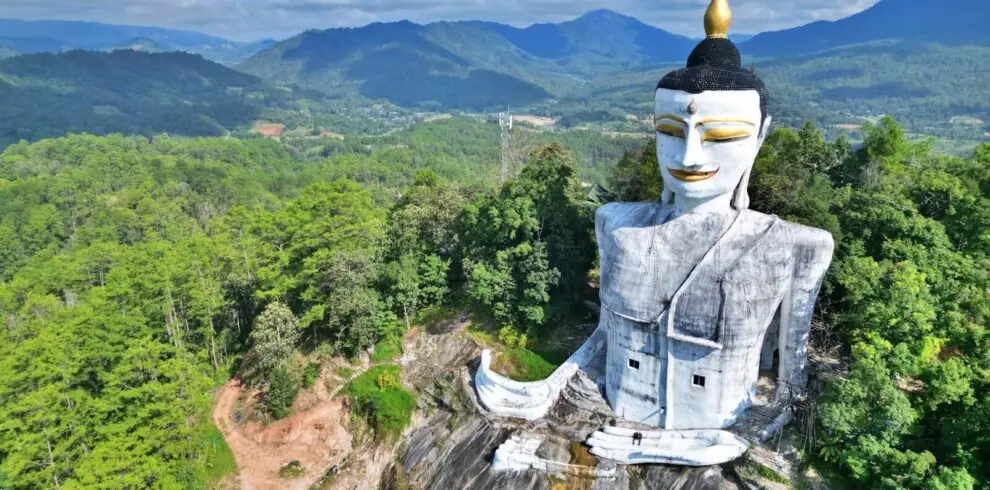
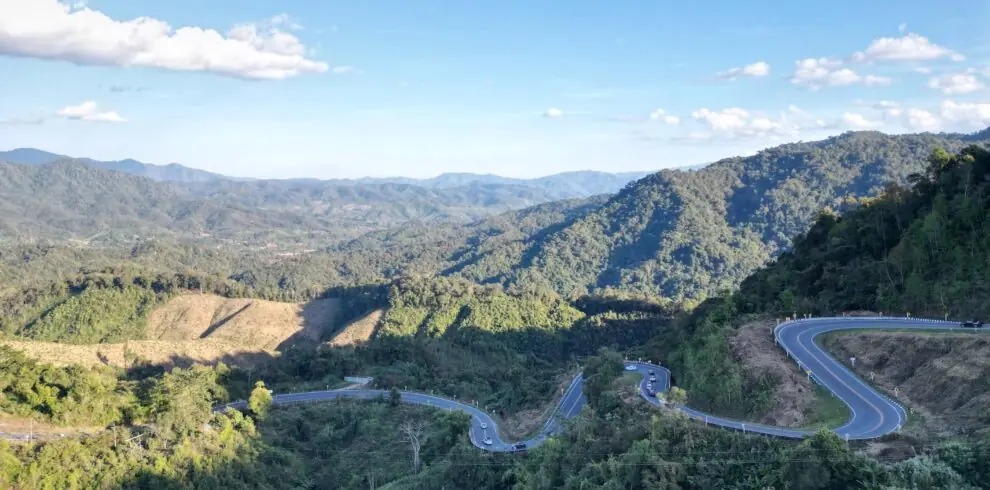
From there, we ride through three provinces, each with its own landscapes and character. Expect winding mountain roads, remote villages, and viewpoints you won't find on any regular tourist map.
How many riders will be in my group?
Small, on purpose. Four to six women, riding together. Small groups mean nobody waits around, there's room to actually get to know each other, and nobody has to keep pace with a group of twelve.
Who is responsible for safety and support during the trip?
I lead the trip personally, together with a licensed Thai guide, operating under an official local travel agency. That means everything runs safely and legally, not improvised.
If something happens—an accident, an emergency—the Thai agency handles local coordination, including medical support and logistics. A breakdown gets fixed on the spot or at the nearest mechanic. Your safety always comes first, and you're never left figuring things out alone in a foreign country.
Can beginners join the trip?
I'd recommend at least one full season of riding before joining. You should know your limits, feel fine riding up to five hours a day, and handle a road full of curves, because Northern Thailand has plenty. Some days feel like one long, endless curve, and while that's genuinely fun, it also takes focus.
That said, experience on paper matters less than how you feel on a bike. I've had a rider who got her license that same summer and was confidently riding Thai roads by winter. Nobody gets left behind, and nobody has to prove anything. We adjust the pace so everyone actually enjoys the ride, not just survives it.
What type of bike will I be riding?
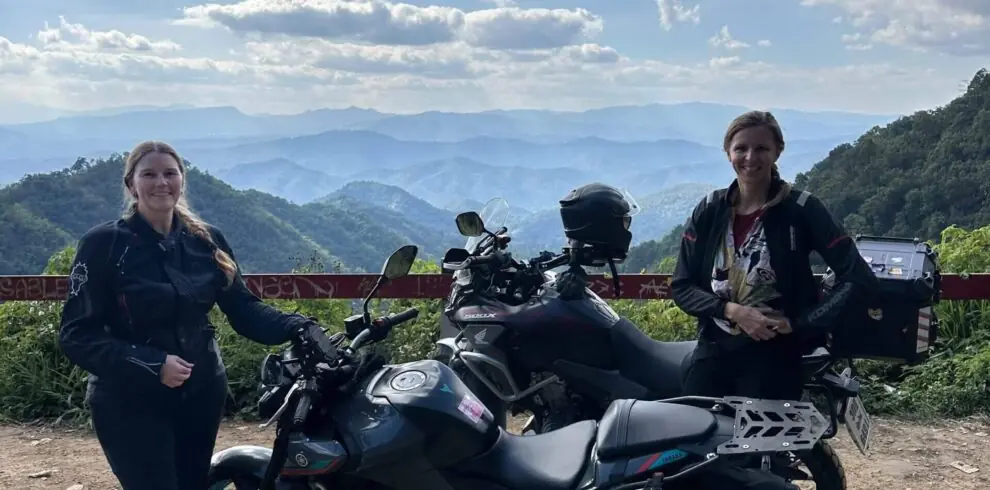
The Honda CB500X is my usual recommendation, a comfortable adventure bike built for long days and curvy roads.
If you're shorter and a taller bike feels intimidating, there are lower-seat options like the Yamaha MT-03, MT-07, or Honda CB300R. Just tell me in advance so I can arrange the right bike for you.
How are motorbikes managed and maintained?
All bikes come from reliable local rental partners who specialize in touring bikes. The Thai agency handles booking, inspection, and prep before we start.
If your assigned bike doesn't feel right, we check for an alternative. Usually, it just takes a day to adjust to a new bike's size and weight, nothing more.
How do I book my spot?
Just send me a message via the contact form or email, and I'll get back to you with all the trip details.
To secure your spot, a 50% deposit is required once your booking is confirmed. The remaining balance is due 6 months before the trip starts. If you're booking within 6 months of departure, full payment is required at the time of booking.
This system helps us, together with my Thai partner agency, organize everything in time, especially motorbike rentals, since the number of available bikes is limited. I also recommend booking early, as flight prices tend to go up the closer we get to the trip.
Can I decide last minute?
Absolutely! If there's still a spot available and we can secure a motorbike and accommodation for you, we'd love to have you join.
That said, we'd strongly recommend booking at least 4 months in advance. We handpick every accommodation on our tours, and availability—especially during high season—gets very limited closer to the departure date. The earlier you're in, the more we can guarantee the full experience.
What happens if I need to cancel?
Here's how it works:
180+ days before the trip — 100% refund
90–179 days before the trip — 80% refund
60–89 days before the trip — 50% refund
Less than 60 days before the trip — Non-refundable
Why the strict policy? We run small, carefully curated groups, which means every spot, bike, and accommodation is booked well in advance. During Thailand's peak season (November–January), our local partners need full commitments upfront to secure the quality stays and logistics we want for you. I appreciate your understanding, and I'll always do my best to work with you if something unexpected comes up.
Can my friend join too?
Yes, please, the more the merrier. And if you bring a friend, you'll both get a €100 discount as a thank-you.
Do I need a visa to enter Thailand?
Nope. For most travelers, Thailand is visa-free. Just hop on your flight, get your passport stamped on arrival, and you're good to stay for 60 days. No paperwork, no hassle.
Just double-check the latest entry requirements for your nationality before you fly, since rules can occasionally change.
Is my flight included in the price?
No, airfare isn't included, but if you need help finding a good deal, I've got you. Google Flights is my go-to tool, and I'm happy to share tips on routes.
There are direct flights to Bangkok (BKK) from some European cities, like with Austrian Airlines. If a direct flight isn't available, expect a layover somewhere along the way. To reach Chiang Mai (CNX), you'll take a short domestic flight from Bangkok. Airlines flying from Europe to Thailand include Qatar Airways, Emirates, Thai Airways, Turkish Airlines, and more.
Once the group is confirmed, I'll let you know right away. If you're traveling from far away, I'd wait to book your flights until you get that confirmation, just to stay safe and aligned with the trip dates.
When can I book my flight? Do you help with booking flights?
Book your flight only after we confirm the tour is going ahead, which we aim to do 4 months before the trip.
I'm not licensed to sell flight tickets, so booking is entirely in your hands. But I'm always happy to help with questions around timing, routes, or the best way to get here.
What airport should I fly into, and when should I arrive?
Fly into Chiang Mai International Airport (CNX), just a 10–15 minute taxi ride from the city center.
I highly recommend arriving at least two days before the trip starts. Jet lag is real, a 6-hour time difference can throw off your energy, and you'll want time to settle into the climate, food, and local rhythm before we hit the road.
The night before we leave, we also pick up the bikes, so you'll need to be in town the day before the trip officially starts.
Note: accommodation in Chiang Mai before and after the trip isn't included, so you'll need to book your own stay for those extra nights.
How does arrival and airport transfer work?
Everyone usually arrives from different countries and at different times, so you'll make your own way to the hotel.
It's genuinely easy. Grab (Thailand's version of Uber) works perfectly here, or you can take a regular taxi for a bit more. Chiang Mai is a safe city, and even at night, getting from the airport to your hotel is simple and hassle-free. Unlike in some other Asian countries, you won't run into pushy taxi drivers at the airport.
If your flight gets delayed, just let me know. Flight changes can affect the schedule, which is another reason I recommend arriving at least two days early, so you've got buffer time.
Do I need travel insurance for this trip?
Absolutely. During the trip, you're covered under the licensed Thai tour agency's insurance, but that only covers activities within the guided part of the trip.
You should still get your own travel insurance for the full length of your stay abroad, ideally with rental motor vehicle coverage added, to protect against possible damage to the bike.
For small scratches, you probably won't need to use it. But for a bigger accident, it's good to have financial protection in place. Many insurers require a police report for claims, so it's worth understanding how that works in your home country before you arrive.
What kind of accommodations will we stay in?
A bit of variety is part of the adventure. Some nights you'll be in comfortable hotels, other nights in cozy hillside bungalows with views that make you want to just sit still for a while.
Wherever we sleep, you'll always have a comfy bed, a warm shower, and fresh sheets.
Will I have a private room?
Yes. Every rider gets her own private room, a proper space to unwind after a full day of riding. No sharing, just real downtime to recharge for the next day.
If you have any special requests about accommodation, let me know in advance and I'll do my best to make it work.
What documents do I need to ride in Thailand?
You'll need an International Driving Permit (IDP) to legally ride a motorcycle in Thailand. It's usually quick and cheap to get, most countries issue it on the spot.
Just check the requirements in your home country and get it sorted before your trip.
What happens if the bike gets scratched or damaged?
If the bike takes a hit, you're responsible for the repair costs. Most fixes are reasonable, but it's always best to ride within your limits.
Worth knowing: in Thailand, motorbikes rented through agencies aren't insured—this applies across all official rental companies, so the renter carries full responsibility for damage.
For extra protection, check with your insurer whether they cover rented motor vehicles abroad. It may not help with small scratches, but it can matter a lot for a bigger accident. Always review your policy's terms carefully, this part is outside our control.
What communication and coordination can I expect during the trip?
Before the trip, you'll be added to a group chat with the other riders, so you can connect and get to know each other in advance.
Each day during the trip, you'll get a list of points of interest, key stops, and route highlights. We ride as a small group, and communication stays open and flexible the whole way.
How much should I pack for the trip?
As little as possible. You won't need much, but your riding gear is a must since you'll wear it every day.
Luggage setup:
Touring bikes usually come with a top case, giving you extra space. Bring a small soft bag to use alongside it.
Street/road bikes (often chosen by shorter riders) usually don't have a top case. You'll need a compact bag secured with straps, and I can help with strapping it on.
I have dietary restrictions/allergies, or I don't eat spicy food or meat. Will I be able to find food?
Absolutely. I personally choose beautiful, cozy restaurants for our stops because I love scenic, charming places, and as a vegetarian myself, I've never had trouble finding great meals in Thailand.
Most places offer multiple options, including vegetarian and non-spicy dishes. Spicy food is a Thai tradition, but locals are used to milder preferences from tourists, just let them know and they'll adjust. Almost every restaurant can prepare vegetable-based dishes, tofu, or allergy-friendly meals on request.
Still have a question of your own? Get in touch and I'll answer personally.
Ride Beyond the Ordinary
Explore Thailand's best roads and hidden gems with a crew of adventurous women. Less tourist traps, more real stories and epic rides.